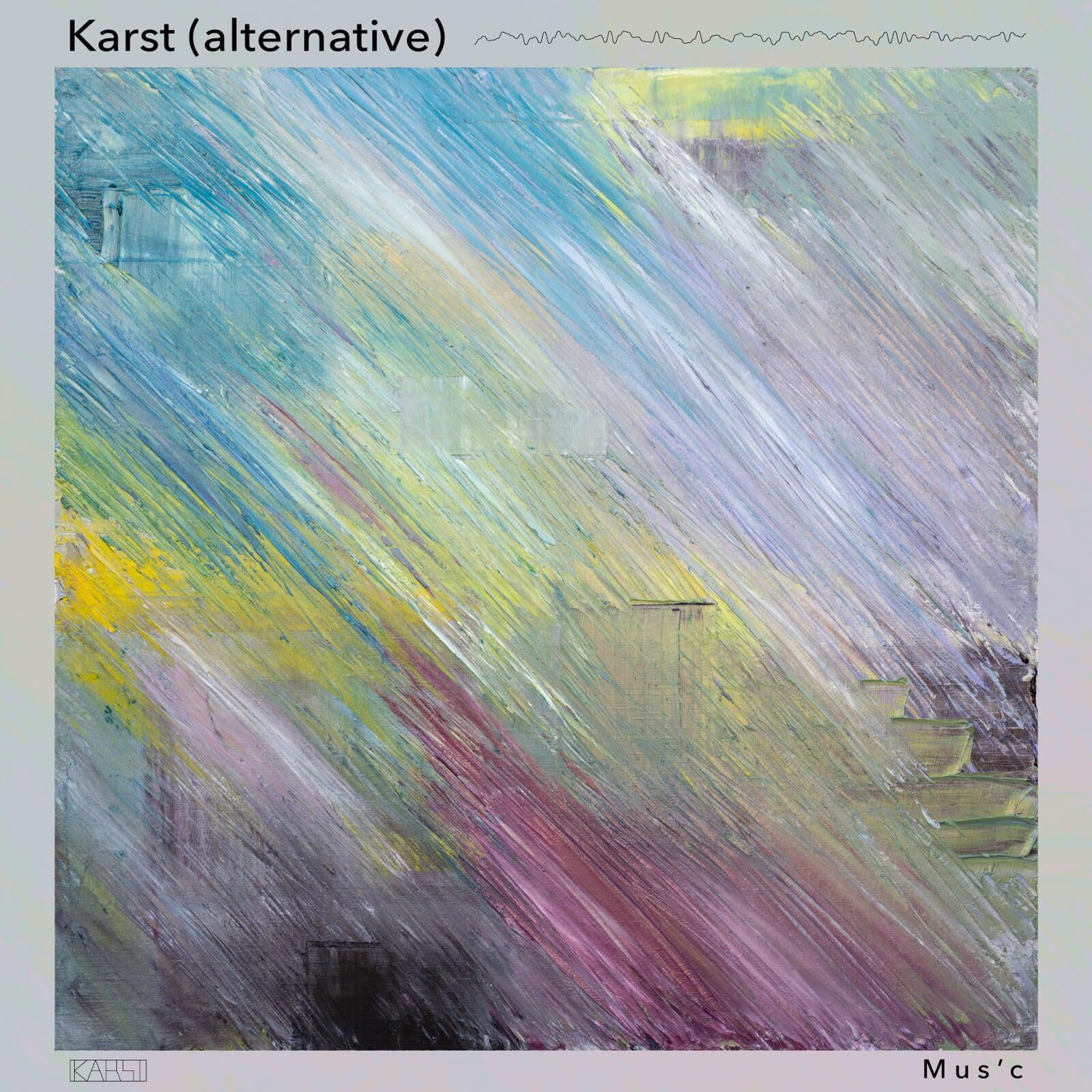
2022年7月26日から8月7日の期間に船橋市民ギャラリーにて企画展「クリティークシリーズ」(上野悠河/関口恵美)が開催された。
これは千葉県や船橋市など地域に関わりのある40歳以下の現代美術作家を評論家やキュレーターにより選出し、個展形式で発表、そして展示と作家作品にたいしての批評を積極的に展開させアーカイヴとしても記録するプロジェクトである。上野は個展「Objective Counterpoint|20←」として今回の発表に至った。
以下に、本展の推薦者・山本雅美氏によって寄稿された展覧会評『21世紀からのまなざし――上野悠河 「Objective Counterpoint|20←」評』と、上野による本展ステートメントを掲載する。
(いずれもアーカイヴ・ドキュメント『上野 悠河 オブジェクティヴ・カウンターポイント|20←』に掲載)
山本雅美 21世紀からのまなざし―
上野悠河 「Objective Counterpoint|20←」評
「Objective Counterpoint|20←」という本展覧会のタイトルは、上野悠河によると“もの”あるいは“客体対象”(Object)同士の“対位法”(Counterpoint)への挑戦、そして「20←」という言葉には自身の作品の素材に20世紀美術の引用が多いもしくは強い志向があるということ、21世紀から20世紀を見つめる試みであることが由来であると語る*。
この上野の言葉を理解するためにいくつの用語の説明が必要となるだろう。展覧会のタイトルにもなっている「Counterpoint」という言葉。これは日本語では「対位法」と言い、音楽理論のひとつであり、複数の旋律をそれぞれの独立性を保ちつつ互いによく調和させて重ね合わせる技法であり、いかにして複数の旋律を重ねるかという観点から論じられるものである。そして、もう一つのキーワードである「20世紀美術」。美術史用語としてのこの言葉は、ヨーロッパを中心とした近代社会の到来によっておこった、それまでの価値観を覆す新しい芸術運動を示すものであり、その最初期の代表的なもののひとつにフォービスムをあげることが出来る。そして第2次世界大戦後、アメリカに美術の中心が移り、抽象表現主義やミニマリズム/コンセプチュアルアートなどといった動向が国際的な美術の流れになった。その特徴は芸術家たちが社会に対して自らの考えを主張するようになり、「美術とは何か」を問うようになったことだ。もちろんこの言葉には西洋の美術に影響を受けた日本の美術も含まれる。この二つの言葉は今回の上野の作品を読み解くキーワードである。
上野は千葉県立幕張総合高校のシンフォニックオーケストラ部で活躍。当時から武満徹の音楽や瀧口修造の美術理論に惹かれ、1960年代の日本のコンセプチュアルアートに親しみを感じている。和光大学表現学部芸術学科に進学し、視覚的なアート作品を発表するともに音楽家としても活躍。美術と音楽を“相いれない関係”や“分かり合えない2人の人間”のようなものであるとし、自身の表現が美術と音楽をつなげるインターフェイスでありたいと語っている*。
このような上野の作品には一筋縄ではいかない複雑な関係性を示すものが多い。それぞれの作品を見ていこう。
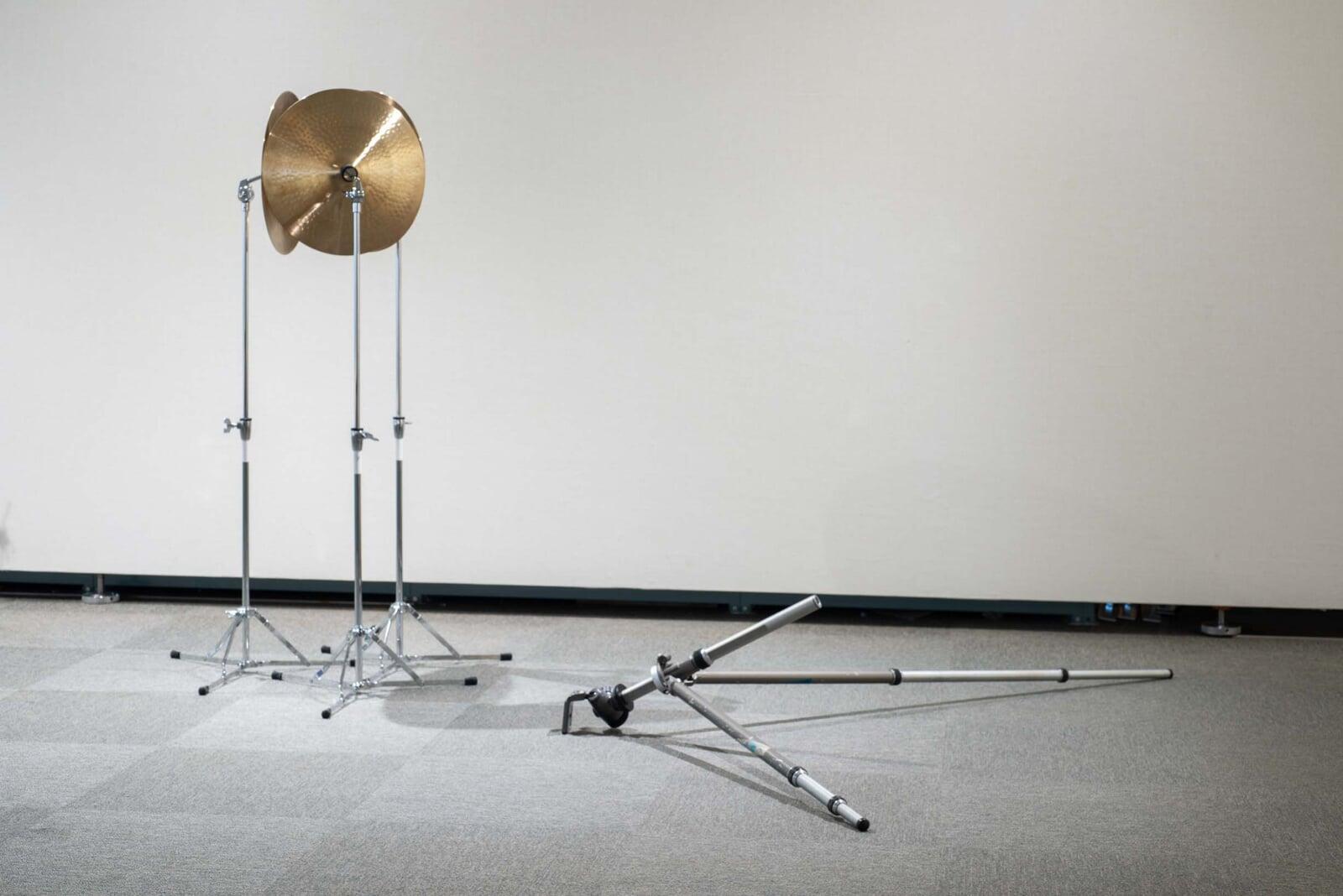
《2と3》(2021)は、2本の脚の三脚、シンバルが3つ向き合ったインスタレーションである。本来、三脚は3本の脚でカメラなどを取り付け立てておくためのものであるが、ここでは1本取り去られている。三脚としての機能を取り去られた「もの」は、その物質的な側面を提示する。同じく、本来2つのシンバルで音を奏でる楽器として機能するところが、ここではシンバルが1つ追加され3つになることでその機能を取り去られている。シンバルであったはずの「もの」としての存在。そのオブジェとしての性格を提示した、これら三脚であったものとシンバルであったものを組み合わせて提示することはいわゆる“Objective Counterpoint”の実践であり、「複数の旋律をそれぞれの独立性を保ちつつ互いによく調和させて重ね合わせる」ものである。そしてこの状況を「2」と「3」と数の概念で示すことでひきこもっていたものの物質的な実在が出てくる。ものそのものが持つ存在を手につかむために編み出した方法である。
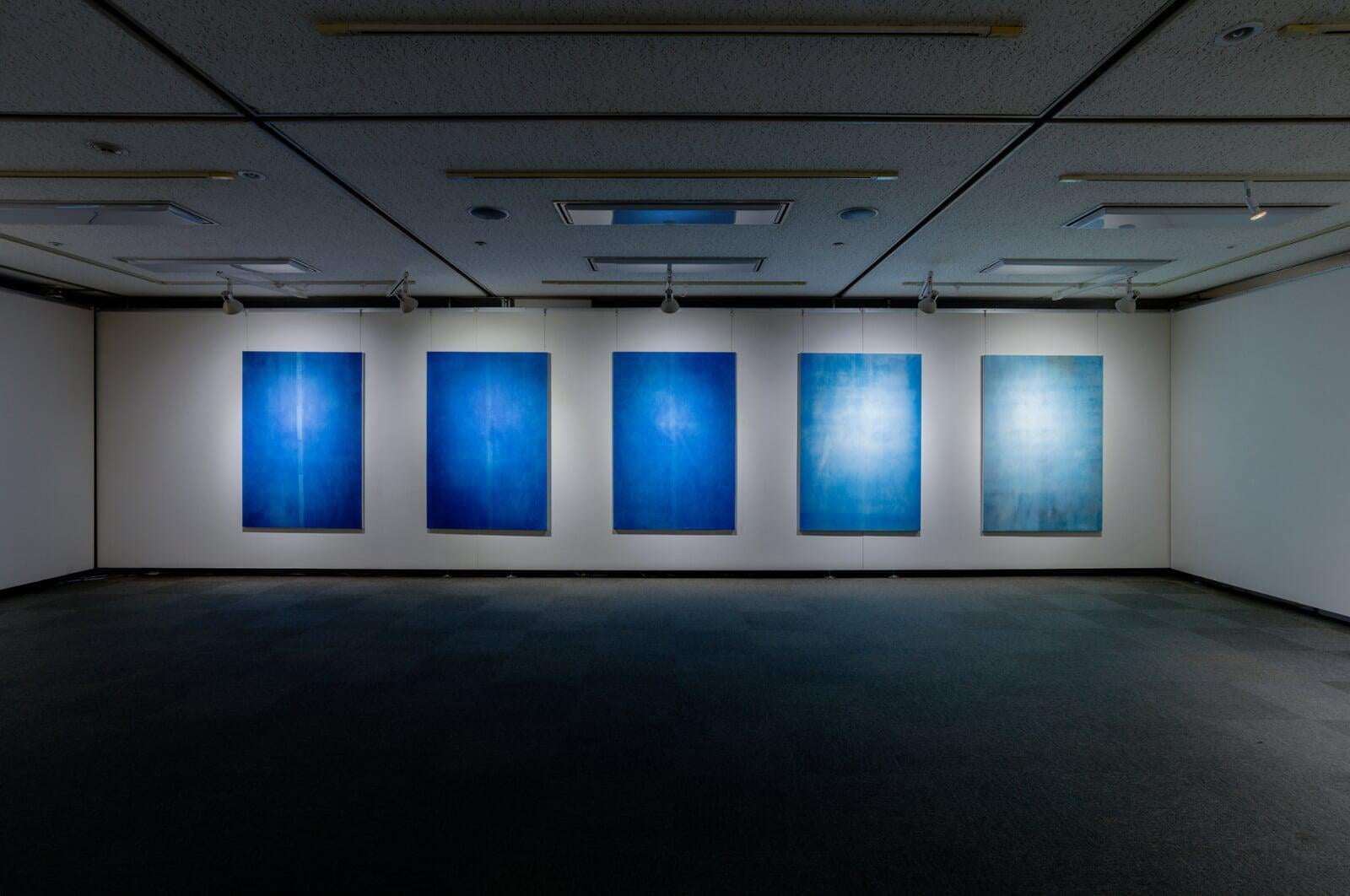
水彩紙を貼った5枚のパネルから成る《そこに太陽がある限り、わたしの最後の青い時間》(2022)はサイアノタイプという写真の古典技法を用いて制作されている。これは「青写真」「日光写真」ともいい、鉄塩の化学反応を利用した写真・複写技法で、光の明暗が青色の濃淡として写るためこう呼ばれる。5枚のパネルはそれぞれ太陽の光に当たっていた時間で表面の青の濃淡が異なる。西洋美術における基本的な絵画表現法である明暗法を考えるための試みとして取り組んだ5枚のパネルの異なる濃淡による絵画を、上野は歳をとることで失われていく「青さ」への気づきという主観的な感覚として組み合わせた。絵画というものの古典的な機能である「記録すること」に20世紀美術的な「表現すること」という行為を掛け合わせたのが本作の焦点である。
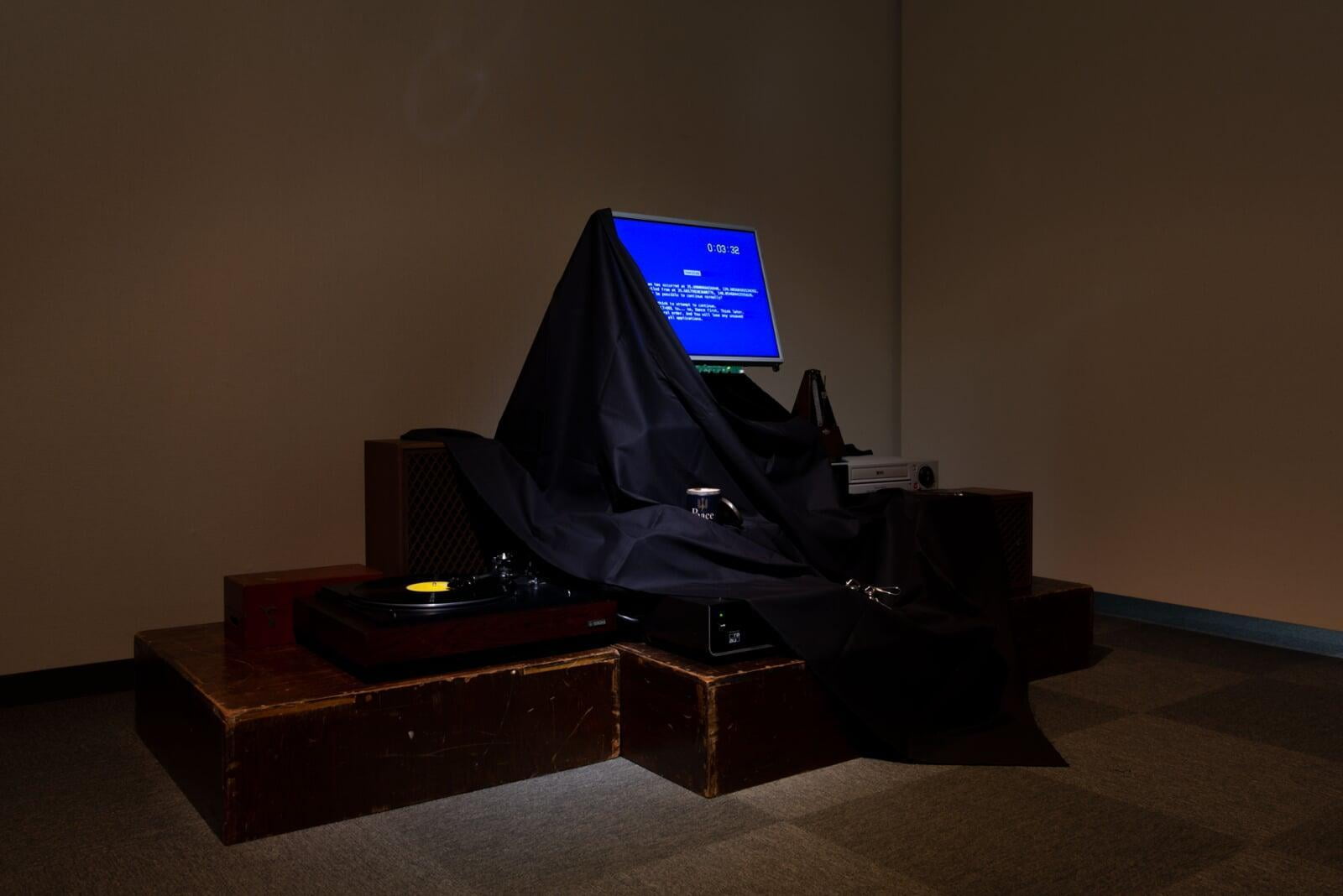
《Vanitas(hardly)》(2022)は今回初めて発表する作品のひとつである。「ヴァニタス」というのは16世紀から17世紀にフランドルやネーデルランドなどのヨーロッパ北部を中心に多く描かれた絵画のジャンルで、「人生の空しさの寓意」を表現した静物画を指す。豊かさを意味するさまざまな静物(オブジェ)のなかに人間の死を暗示する骸骨や時計、腐っていく果物などを置き、観る者に虚栄のはかなさを喚起する意図を持つものである。上野の《Vanitas》はこのヴァニタスの理論を下敷きに、普段自身が使用しているものをオブジェ(静物)として配置する。それぞれの機能や役割がある日常的に使用されているものからその機能=「生」をはぎ取り「もの」として示すことで「死」が暗示される。複数の静物が持つ機能の豊かさが単なる「もの」となることで物質としてただ存在するだけのものになる。ひとつひとつのオブジェが持つ独立した在りようが複数組み合わさることでそのコンセプトが強靭なものとなり、ものの見え方の変化を観る者に体感させる。
「Objective Counterpoint|20←」という本展覧会での上野の試みは、もはや美術が技術ではない時代になった21世紀から20世紀という過去の時代に向けたまなざしであり、過去を参照することで得られた21世紀的感性の在りようを表現したものである。
本展推薦者/評:山本雅美(やまもと・まさみ)
船橋市民ギャラリーアドバイザー/現 奈良県立美術館学芸課長
元 東京都現代美術館学芸員、茂木本家美術館学芸員
*2022年5月31日、7月15日
筆者によるインタビューより
上野 悠河 オブジェクティヴ・カウンターポイント|20←
Objective Counterpoint | 20←
相対的な過去はときに儚くて美しい。実感が無いのならすべてが新しい。
しかしその美学は、けっして対象となる作品を直視せず、また具体的な作品をして表現できるものではない。つまり対象のテーマに隠匿する“もの”そのものの、流動し更新され続ける時間的振る舞いや関係とまずはぼく自身とが等価であらねばならない。そのために、“もの”と“ひと”とがそれぞれ等しく独立性を保ち進行する―対位法的な関係をはじめに試みる。
しかしはたして、ひとの実体、ひとの心のみが、表現を俯瞰できる唯一の主体であったか。
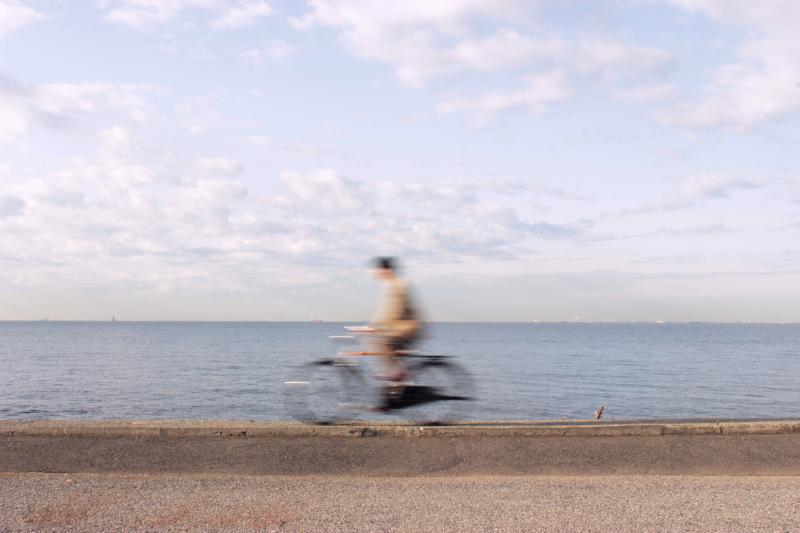
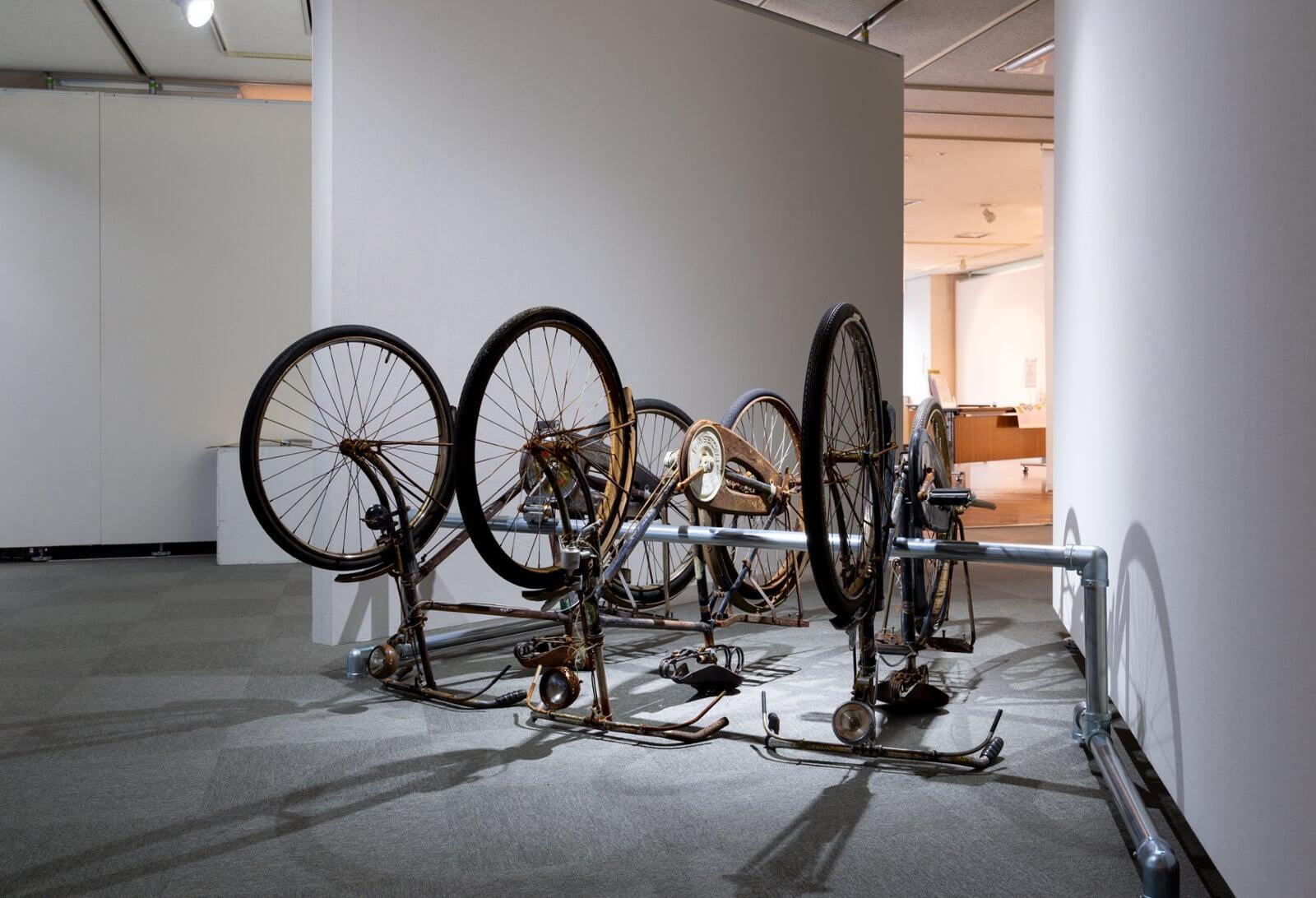
シンバルと三脚はそれぞれを組成する要素(数)を交換することで職能を錯綜させ、定点映像は定時的な鑑賞の態度を拒否するようにつねに景色(の変化)を映し続ける。置かれた自転車は乗る/乗られる仕様を穿通するようにパイプが渡されひっくり返り、そして美術館の壁面に挟まれている。
ひとの対象は明確にして、“もの”の対象とはすなわち曖昧なのである。「何かのための“もの”の挙動」の目的格「何か」とは、ここにおいては人間に観測されない一時的で空虚な空間の絶対存在として、作品や人間の“もの”性とも等価であろうとする何かである。
知覚や感覚の能動性が、ひとのスペシフィックな振る舞いに限らないことを示すために、「表現(作品)のための“もの”」から「“もの”のための表現」へと一度かえりみる試論演習として、ここに『Objective Counterpoint』を定めた。それは希望的声明書や宣言というよりも、ひとつの独立したスタンスである。ぼくはあるオブジェクトを前に、“漸近的に出会いうる”(そして出会うことのない)ゴドーを待ち続ける。
The relative past is sometimes fleeting and beautiful. If there is no real sense of it, then all these are new.
However, this aesthetic never looks directly at the works of object, nor can it ever be expressed through concrete works of art. In other words, I myself must first of all be equivalent to the temporal behavior and relations of the "things" itself, which is in flux, continually being renewed and concealed in the theme of the objects. In order to achieve this, I first attempt a "counterpoint relationship" in which the "things" and the "persons" maintain an equally interdependent, yet independent relationship.
However, is the human entity, the human mind, the only subject capable of overlooking expression?
An overview of the works may reveal this. The cymbals and tripods confuse their functions by exchanging the elements (number) that compose them, while the fixed-point videos constantly reflect (changes in) the scenery, as if rejecting the attitude of fixed viewing. The bicycles are turned upside down, penetrated by pipes and placed between the walls of the museum, in such a way that they pierce the specifications of the rider/ridden.
The object of the persons is clear, while the object of the things is ambiguous. The objective "something" of the "behavior of things for something" is here an absolute being in a temporary and empty in the white-cube that is not observed by humans, and which is equivalent to the "thingness" of the works and human beings.
In order to indicate that the activeness of perception and sensation is not limited to the speculative behavior of human beings, and as exercise in turning from "things for expression (or works)" to "expression for 'things'", I set out the 《Objective Counterpoint》. It is not a wishful statement or manifesto, but rather an independent stance. So, I am waiting for an "asymptotically encounterable" (and never encounterable) Godot in front of the objects.